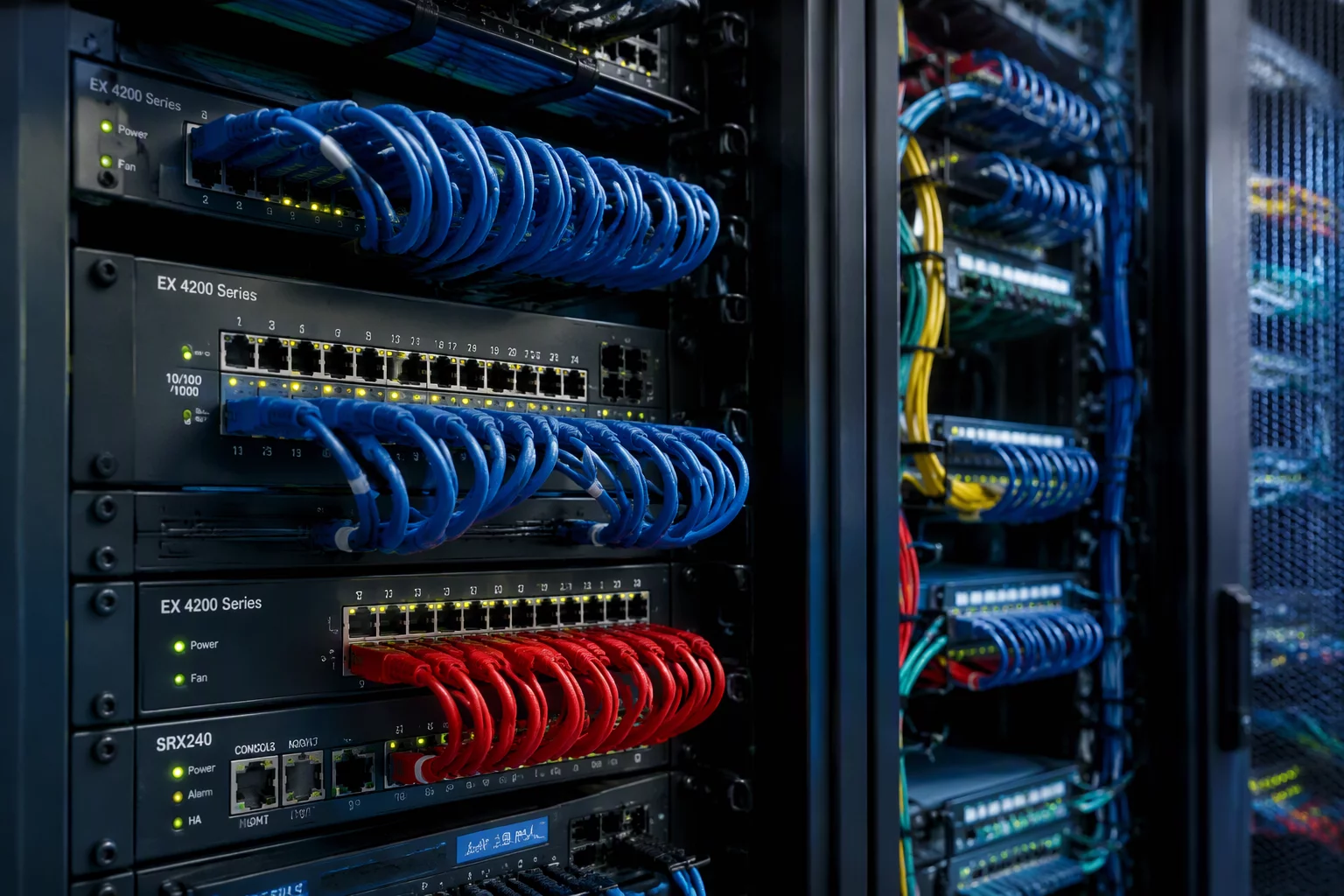
Server Maintenance & Identity Isolation
Maintaining internal servers presents distinct operational risks because backend nodes host multi-tenant databases, core applications, and privileged storage pools. Unlike desktop endpoints where an interactive human user authorizes desktop sharing, internal servers operate autonomously in secured private subnets. Performing kernel upgrades, patch deployments, and configuration syncs requires verified administrative paths that prevent standing privileged credentials while recording deterministic system metrics throughout the entire maintenance window.
Enterprise security frameworks mandate that server access must never rely on persistent root passwords or unmonitored SSH keys stored on local developer machines. Engineering teams deploy jump bastions equipped with ephemeral certificates that expire automatically when the designated maintenance period closes. This architecture enforces strict separation of duty between infrastructure operators and routine system workloads.
“A production server should never recognize a permanent administrator identity. Every privileged command must emerge from an authorized maintenance ticket and terminate when the change record closes.”
Operational Checklist for Server Maintenance
Prior to opening administrative channels to backend servers, system engineers must validate automated rollback plans, establish redundant telemetry logging, and notify dependent service maintainers. The following operational verification steps ensure that access windows do not compromise production availability:
Mandatory Pre-Window Verifications
-
State Snapshot & Backup Sync: Create and verify immutable volume snapshots and cluster state backups before applying configuration changes or binary patches.
-
Ephemeral Bastion Credentials: Issue short-lived cryptographic certificates tied strictly to the engineer's identity and specific server hostnames.
-
Telemetry & Audit Streaming: Direct all terminal session keystrokes and kernel audit logs to tamper-proof SIEM pipelines in real time.
Server Access Protocol Clarifications
Below are standard engineering inquiries regarding internal server access controls, automated failovers, and change window termination.
Request Infrastructure Access Architecture Consultation
Connect with our infrastructure security specialists to review your server maintenance protocols, bastion configurations, and automated compliance policies.