Clean Session Teardown Standards
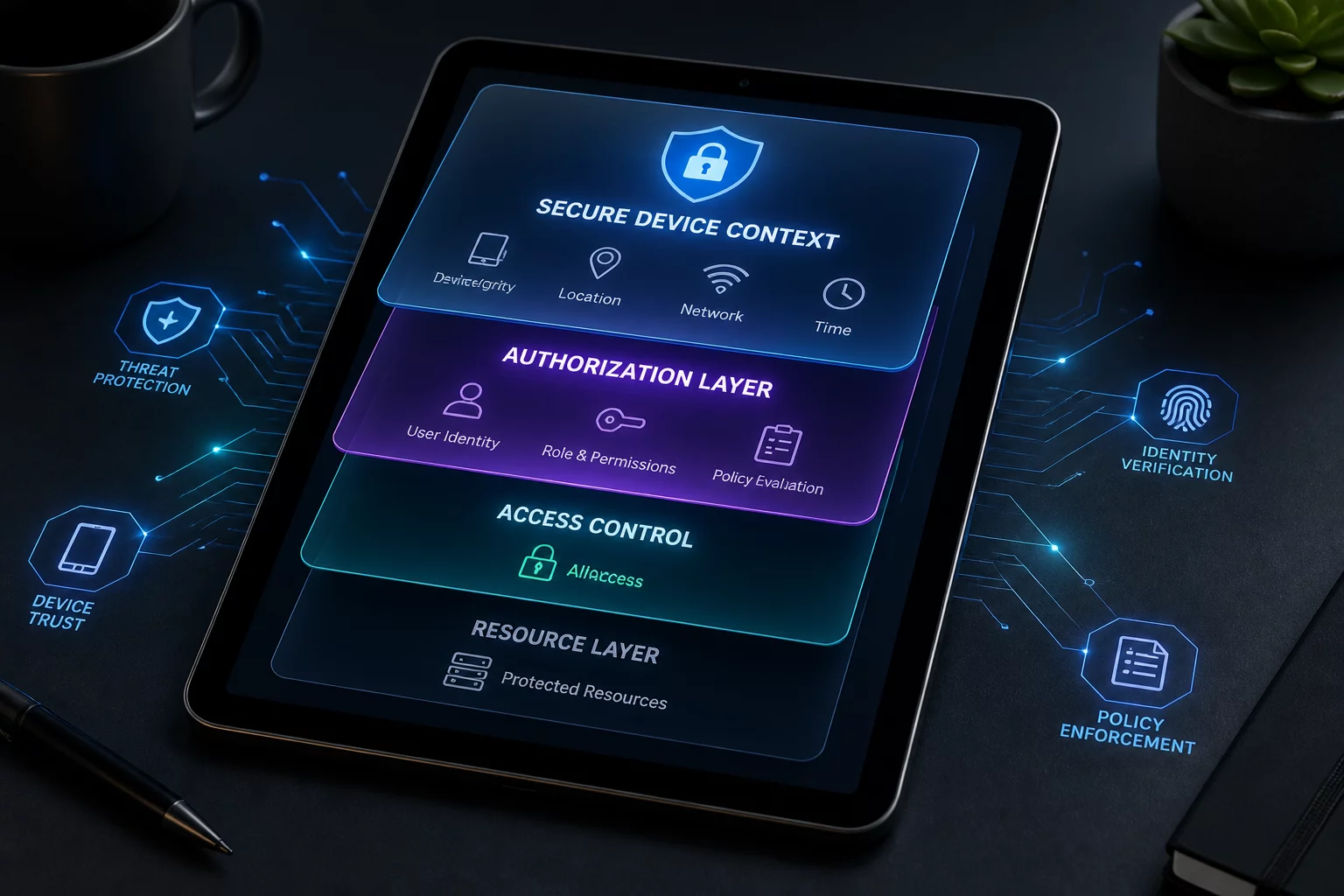
When an interactive remote assistance session concludes, severing the visible video stream is only the first step. True operational safety requires complete de-authorization across all architectural layers: revoking temporary elevation, invalidating ephemeral tokens, killing diagnostic listener daemons, and returning unambiguous control to the local operator.
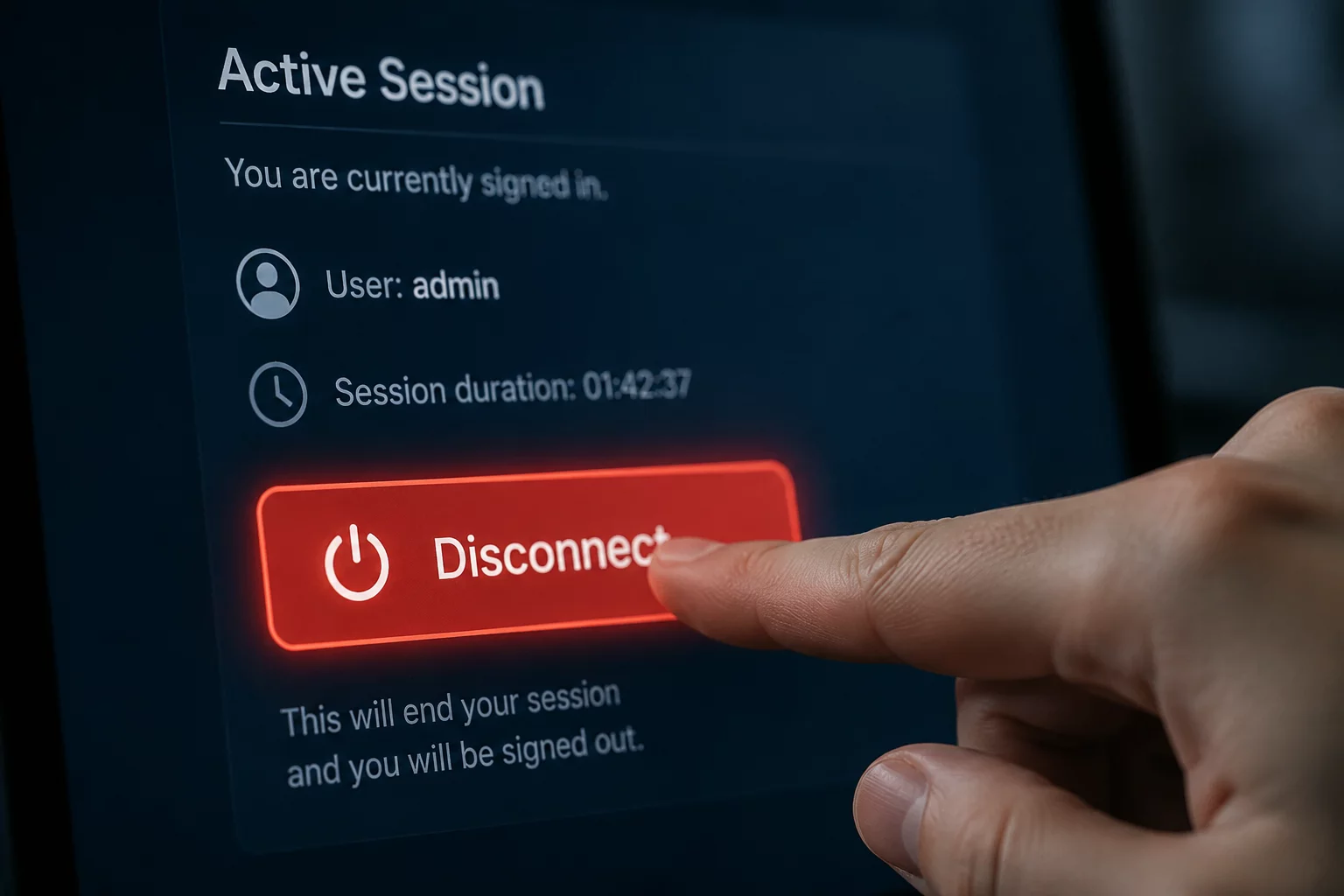
Table of Contents
Four Critical Teardown Layers
Establishing an attended support session creates encrypted TCP or WebRTC reverse tunnels through firewalls directly to central relay servers. When the technician logs off, these network sockets must undergo an immediate cryptographic teardown rather than sitting in a lingering idle state.
Left unclosed, long-lived reverse proxy tunnels provide unauthorized bridgeheads into internal corporate subnets. The central gateway must actively broadcast a revocation signal to both client and technician endpoints simultaneously.
- Immediate termination of WebRTC data streams and outbound reverse proxy tunnels.
- Invalidation of intermediate relay channel identifiers across central message brokers.
- Purging transient session state caches from the local machine network stack.
Technicians frequently request elevated rights during troubleshooting to install drivers, modify registry entries, or review security audit logs. Elevation grants must be bound strictly to the life of the active engagement and expire instantaneously upon disconnection.
Just-in-time access management systems must cancel delegated administrator tokens through an automated API hook triggered by session completion.
Never allow elevated administrative credentials to persist past technician sign-off. Any unexpired secondary token presents an unmonitored lateral traversal pathway across the corporate endpoint boundary.
Local admin group memberships, temporary sudo allowances, and active service account impersonations must be purged and re-audited immediately in directory services.
Support tools often deploy helper binaries, memory analyzers, log collectors, or lightweight agent executables into temporary directories like %TEMP% or /tmp. Once the task finishes, these background processes must be stopped and thoroughly uninstalled.
Unattended background services should never remain silently running on an attended employee machine. Leaving persistent listener services turns a temporary interactive intervention into an unmanaged permanent access vector.
During active troubleshooting, software may block local keyboard and mouse input or apply privacy curtains over the monitor. Disconnecting must reliably release hardware hooks and restore default display and peripheral controls back to the seated employee.
The operating system display server must confirm that screen capture APIs are deactivated, ensuring that user activity and confidential desktop files are no longer streamed to remote endpoints.
A remote support session is not concluded when the technician minimizes the viewing window; it concludes only when elevated privileges, background listener ports, and authorization keys are completely dismantled.— Grace Taylor, IT Governance Lead
Compare Structured Access Modes
Discover how attended support controls contrast with unattended infrastructure maintenance in modern zero-trust environments.

Grace Taylor
Related Governance Guides