Session Scoping Precedes Authorization
Opening a maintenance window without a fixed, pre-agreed task description turns a controlled IT intervention into an open-ended operational liability. Establishing boundaries beforehand protects both administrator accountability and endpoint integrity.
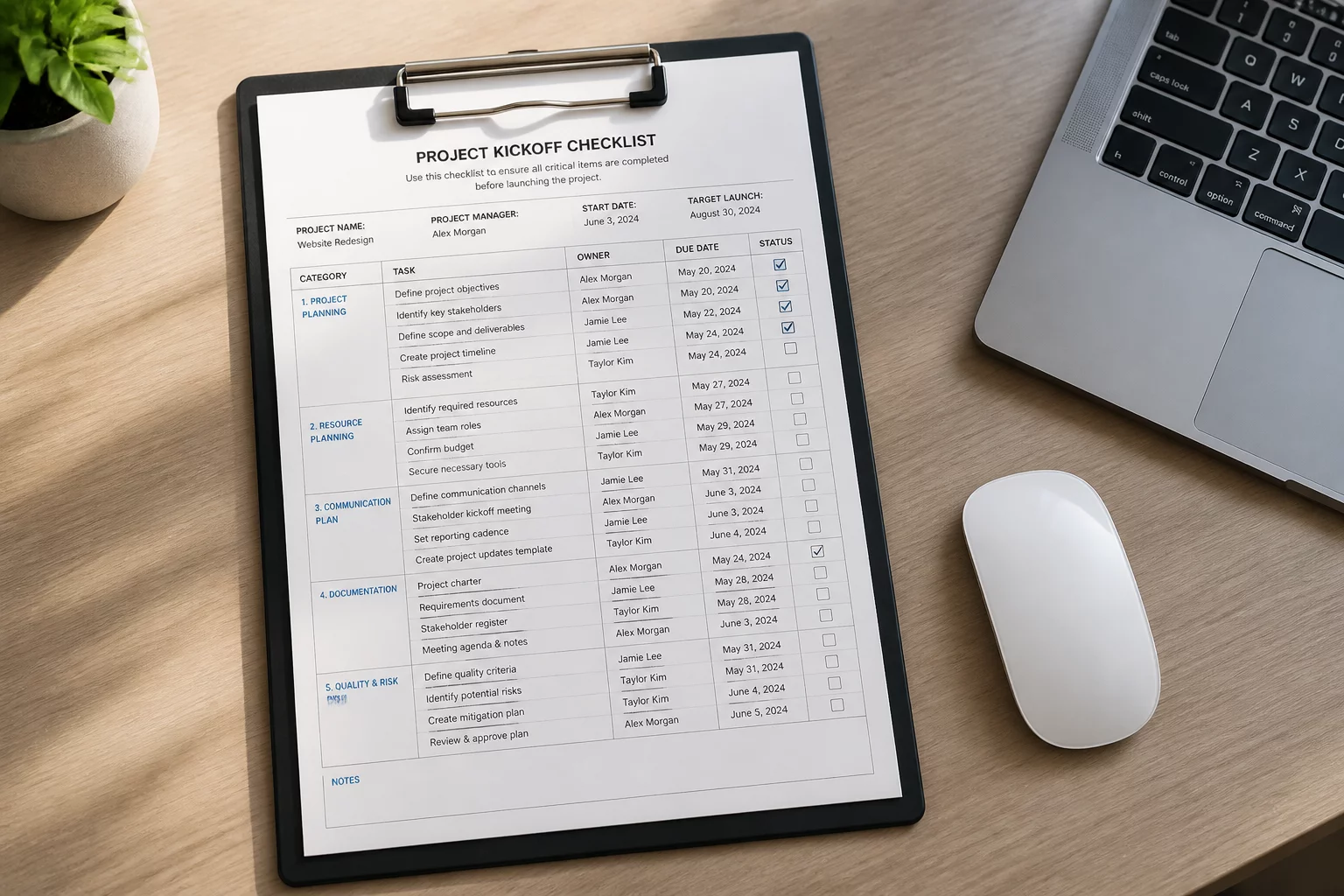
Table of Contents
Key Rules for Scoped Task Authorization
Granting remote administrative permissions based merely on a vague intention invites configuration drift and untracked changes. When engineers enter an operating system without a clearly enumerated sequence of steps, troubleshooting quickly spills into unrelated subsystems.
An unconstrained session makes auditing nearly impossible because baseline expectations were never recorded prior to entry. Security frameworks demand verifiable proof that access directly corresponds to a specific business requirement.
- Prevents accidental modification of adjacent services and directories.
- Enables precise timeboxing aligned with the actual workload.
- Eliminates ambiguous post-incident log investigations.
A well-formed task specification outlines the exact system changes, affected services, and expected artifact states. This document acts as an operational contract between the device owner and the technician performing the remediation.
Engineering teams must itemize commands, software packages to be installed, registry keys to be altered, and configuration files to be replaced prior to requesting session clearance.
Every authorized access window should answer four fundamental questions: what is changing, which services are impacted, how success is verified, and when the session forcefully terminates.
By locking down these variables, IT teams maintain absolute clarity over system state transitions.
Time allocations should reflect realistic execution schedules rather than generous default blocks. A patch deployment that requires twelve minutes must not be assigned a four-hour access window.
Tightening the timeframe prevents dormant sessions where remote tools linger connected to endpoints without active supervision, effectively narrowing the attack surface.
Every task definition must include an unambiguous checklist for completion. Once the technical steps are executed, health checks must verify that services operate normally before administrative access is revoked.
The final step of every access window is explicit handback, ensuring all temporary credentials expire immediately and the endpoint returns to production custody.
An access window without a defined task is not a maintenance procedure—it is an unmonitored opening into your infrastructure.— Isabella Anderson, Infrastructure Security Lead
Implement Systematic Access Scoping Across Your Fleet
Learn how to structure attended, unattended, and hybrid access workflows with rigorous pre-flight task boundaries.

Isabella Anderson
Related Access Governance Articles