Reachability Is Not Explicit Permission
System administrators frequently conflate the technical ability to connect to a target hardware asset with explicit user approval to interact with an active session. Distinguishing between raw channel connectivity and situational human consent prevents accidental privacy breaches and ensures audit compliance across all corporate tiers.
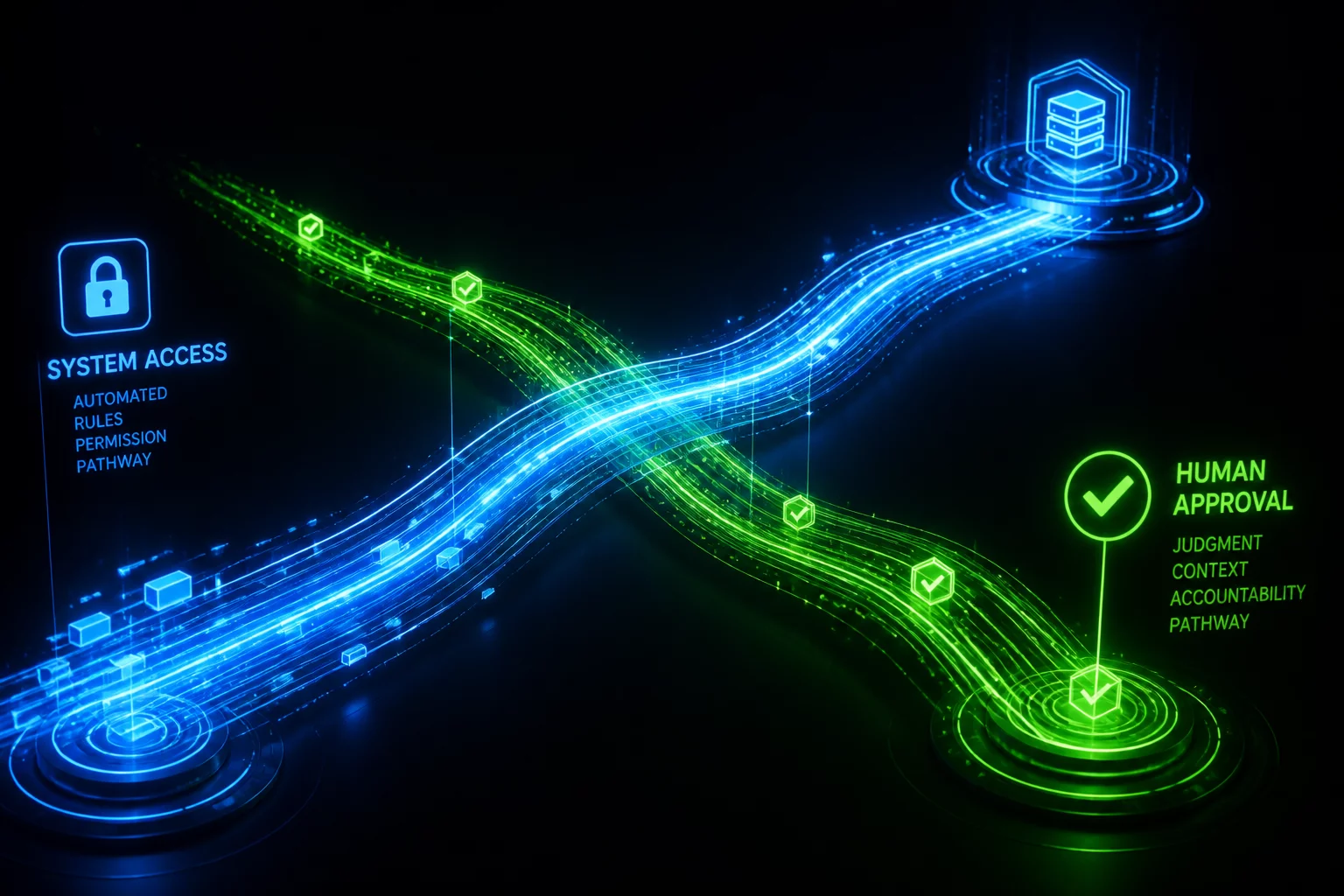
Table of Contents
Deconstructing Access Layers
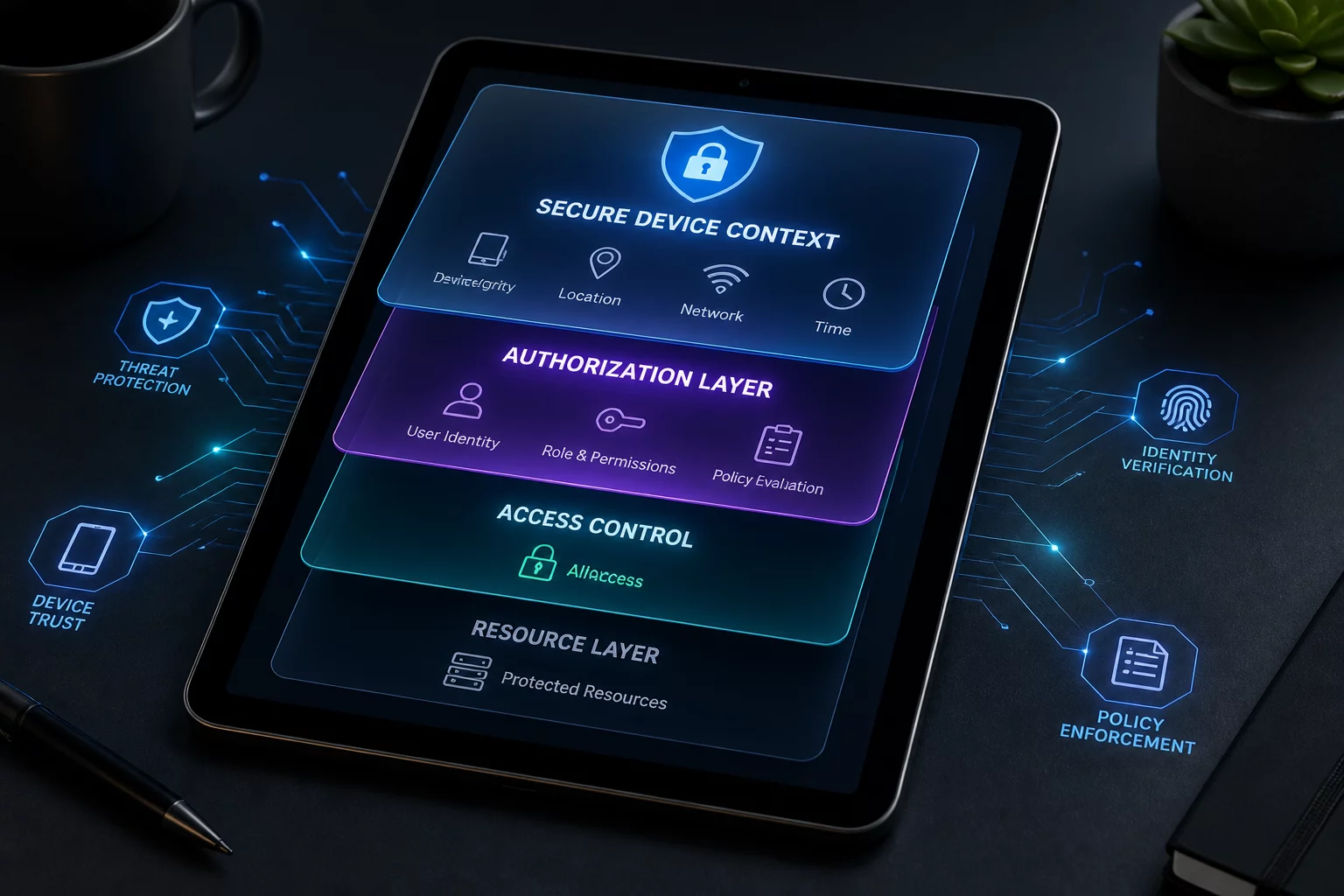
Endpoint access represents the technical pipeline enabling a management server, agent, or engineer to reach a machine operating system over the corporate network. User approval, conversely, functions as the explicit delegation of operational control by the human operator seated at the hardware.
When support teams treat a pingable workstation or an established daemon connection as universal authorization to alter active environments, operational friction and governance non-compliance inevitably occur.
- Device access operates on network paths, cryptographic keys, and machine identities.
- User approval operates on active application context, visible data ownership, and conscious delegation.
- Valid support sessions require unambiguous alignment between network pathways and recorded consent.
System agents frequently run under elevated system privileges, allowing background scripts, patch deployments, and diagnostics to execute without displaying a graphical interface to the user.
Problems arise when unattended maintenance mechanisms are inappropriately leveraged to observe or hijack an employee interactive desktop while work remains open on their screen.
Background connectivity should never be converted into foreground screen manipulation without prompting the desktop operator for explicit session transfer.
Organizations must isolate daemon-level background actions from interactive visual sessions to preserve confidentiality and operational integrity across distributed endpoints.
Interactive desktop sessions frequently display proprietary documents, personal communication tabs, and uncommitted data entry forms. Touching an active user session without confirmation introduces serious risk to business confidentiality and personal privacy.
Requiring an interactive confirmation prompt establishes an undeniable temporal boundary. The end user confirms their active files are saved or hidden, granting the technician a defined operational scope before remote input capture begins.
A robust access management protocol demands precise trigger conditions for each support tier. When unattended maintenance is required outside normal shift hours, scheduled maintenance tickets replace prompt-based approval.
At the conclusion of any remote intervention, explicit handback signals terminate remote input rights, restore local screen controls, and flush temporary session authentication tokens.
Confusing technical connectivity with operational authorization is the most common origin of endpoint privacy violations in remote IT environments.— Jack Martin, Infrastructure Security Lead
Review Standardized Access Modes
Explore how attended support differs from unattended maintenance workflows in our comprehensive governance framework.

Jack Martin
Deep Dive Into Session Governance