Defining Operational Authority During Technical Interventions
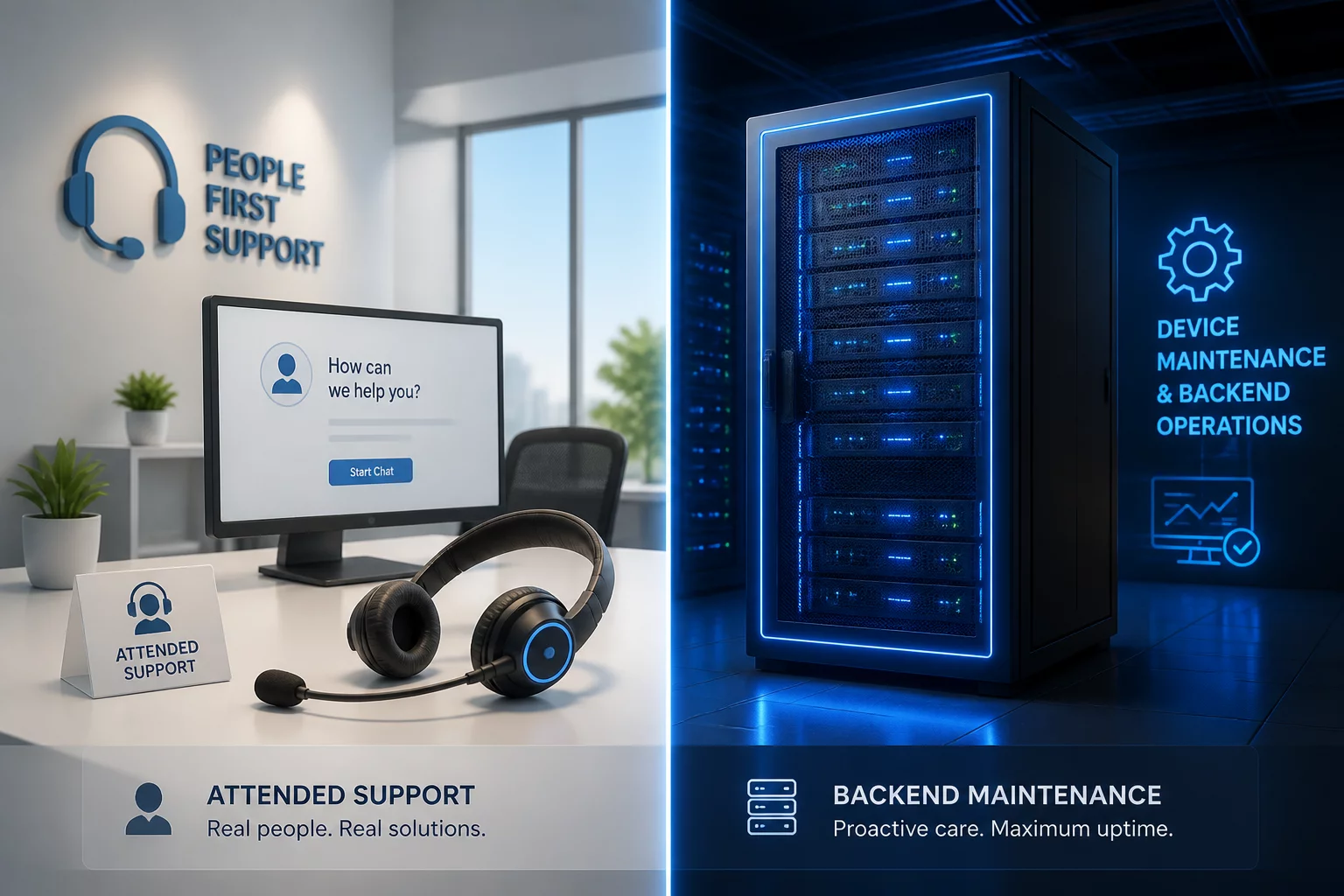
During a scheduled maintenance window, control shifts from the day-to-day user to technical engineers. Clear boundaries prevent conflicting actions, unscheduled reboots, and compromised session boundaries.

Table of Contents
Technical Ownership Architecture
When a maintenance window opens, the primary operator formally takes custody of the endpoint. This prevents the active user from executing conflicting software changes while system patches, firmware upgrades, or script executions occur in the background.
Establishing temporary ownership requires clear notification and session isolation. The local user interface must display an active maintenance banner or enter a locked state to avoid simultaneous input errors.
- Dedicated administrative elevation tied to the specific maintenance ticket identifier.
- Automatic local input suppression to prevent accidental desktop interaction.
- Immediate state snapshot capture prior to executing configuration adjustments.
Dual control on an active workstation creates high operational instability. If an end user attempts to save files while system services are undergoing reconfiguration, unsynchronized database states and file corruption can easily happen.
Support teams must enforce a strict single-custodian rule. The device belongs solely to the maintenance team for the agreed timeframe, with no uncoordinated parallel tasks permitted.
Operational Standard: Never permit simultaneous interactive user sessions while unattended maintenance jobs or elevated registry configurations are running.
Once scheduled maintenance commences, any local session should be systematically detached or suspended with pending work buffered securely.
Temporary device custody does not grant unrestricted access to private local storage or personal credentials. System administrators operate strictly within the maintenance scope, using service accounts with detailed telemetry tracking.
Organizational policies require non-repudiation and role-scoped command execution. Automated audit pipelines document every script run, service restart, and elevated privilege escalation throughout the maintenance duration.
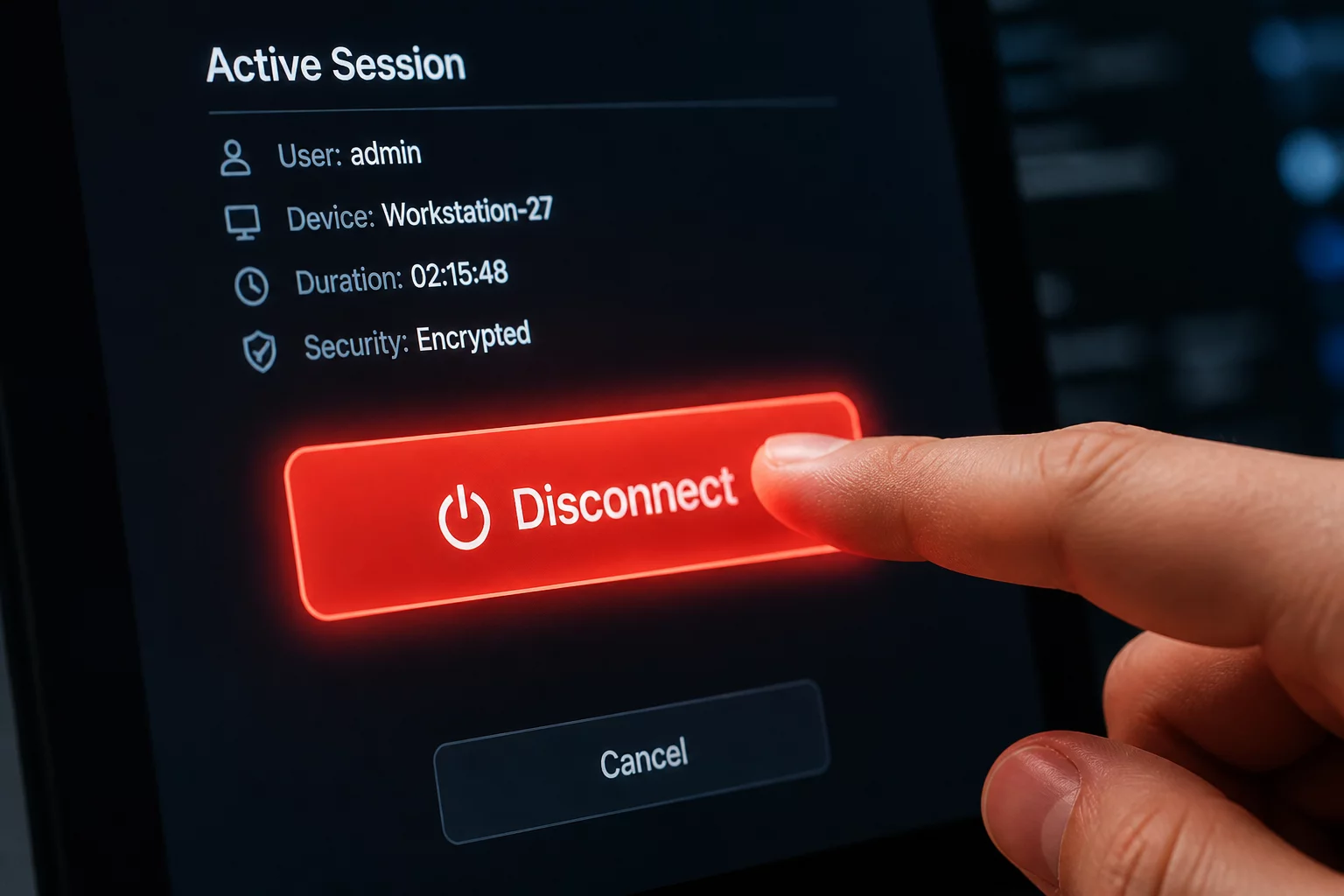
Concluding the maintenance window demands a formal handback procedure. Technicians verify core services, validate system stability, and terminate all elevated remote access tokens before notifying the owner.
Re-enabling standard user access without thorough post-flight checks risks leaving leftover troubleshooting tools or orphaned background processes exposed.
True maintenance integrity requires absolute clarity on who holds operational authority. When the window opens, the technician assumes custody; when it closes, clean handback returns total sovereignty to the user.— Daniel Kim, Infrastructure Security Architect
Master Access Window Governance
Explore comprehensive guides on differentiating attended remote support, unattended maintenance, and device context validation across your organization.

Daniel Kim
Recommended Field Guides