Fieldbook 2026 IT Access Governance & Window Evaluation
IT Governance & Support Protocol

Choose Remote Access Around the Task,
Not Just the Device.

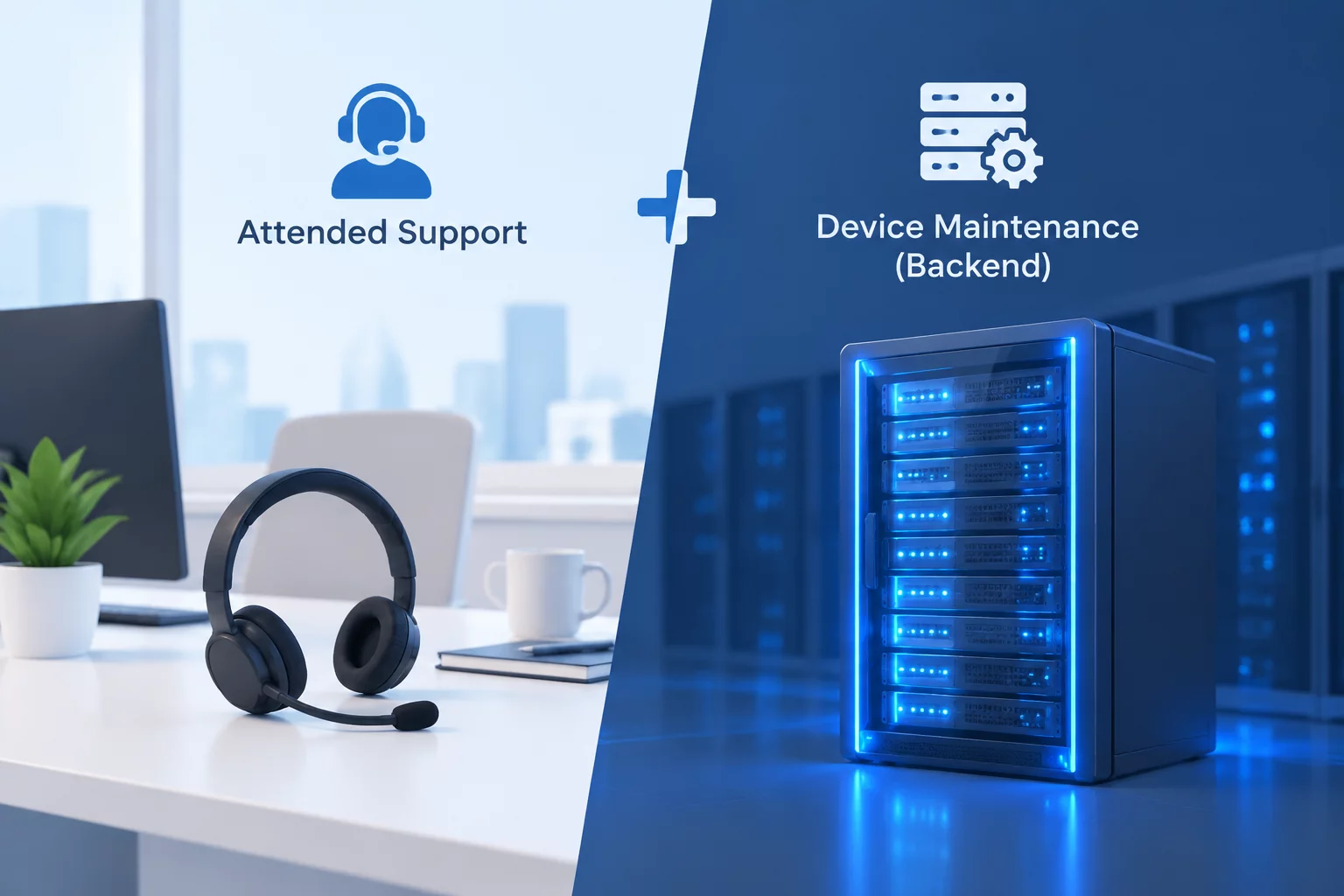
Decide who should be present, what the session is for, and when access should end. Explore practical access scenarios covering attended support, approved unattended maintenance, device context, responsibility, and handback.

VERIFIED WINDOW Structured Protocols
— CORE ARCHITECTURE —

The Access Window Mechanic

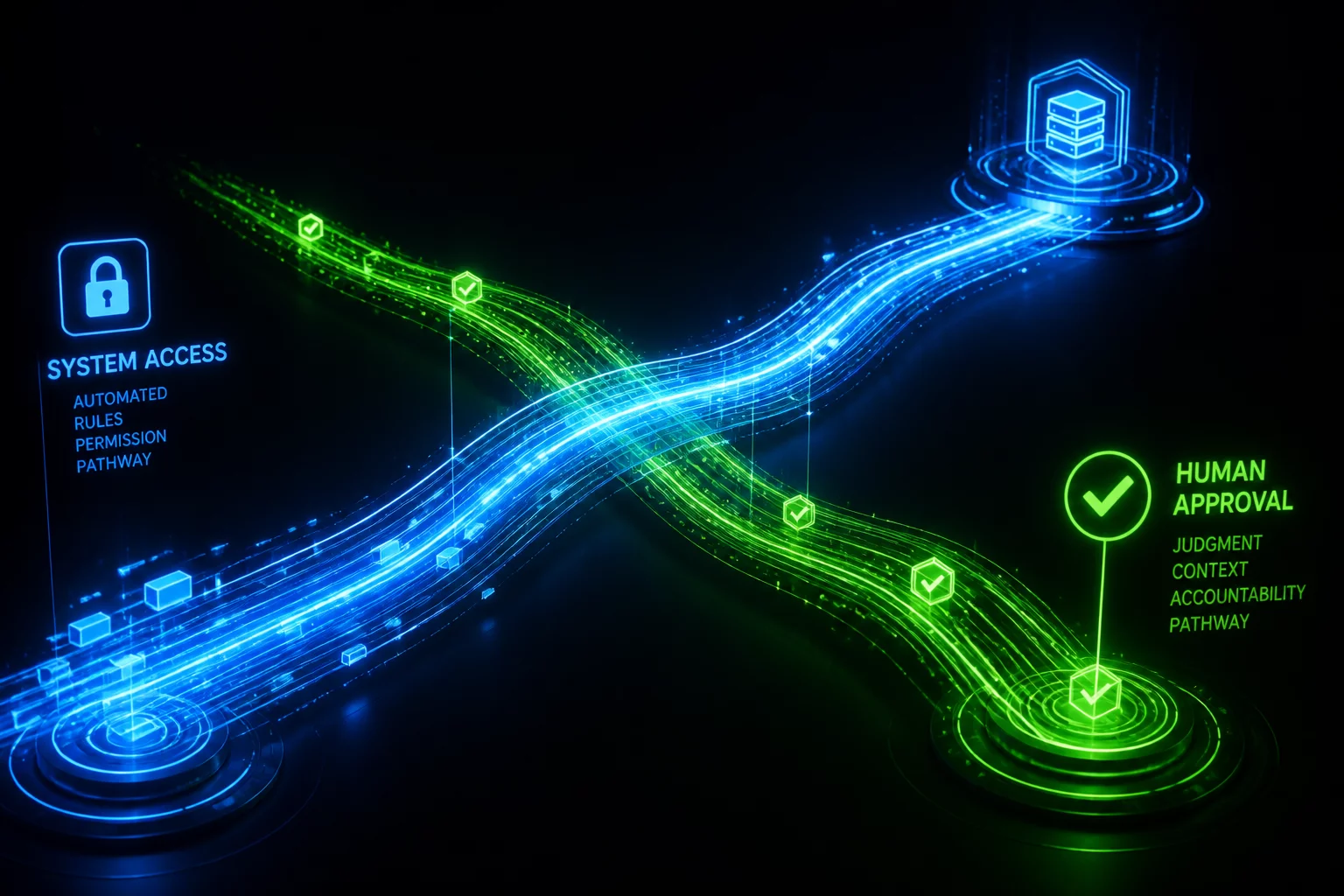
Every remote session requires a deterministic boundary model. Defining exact operational constraints prevents privilege creep, clarifies accountability, and enforces a verifiable handback state.

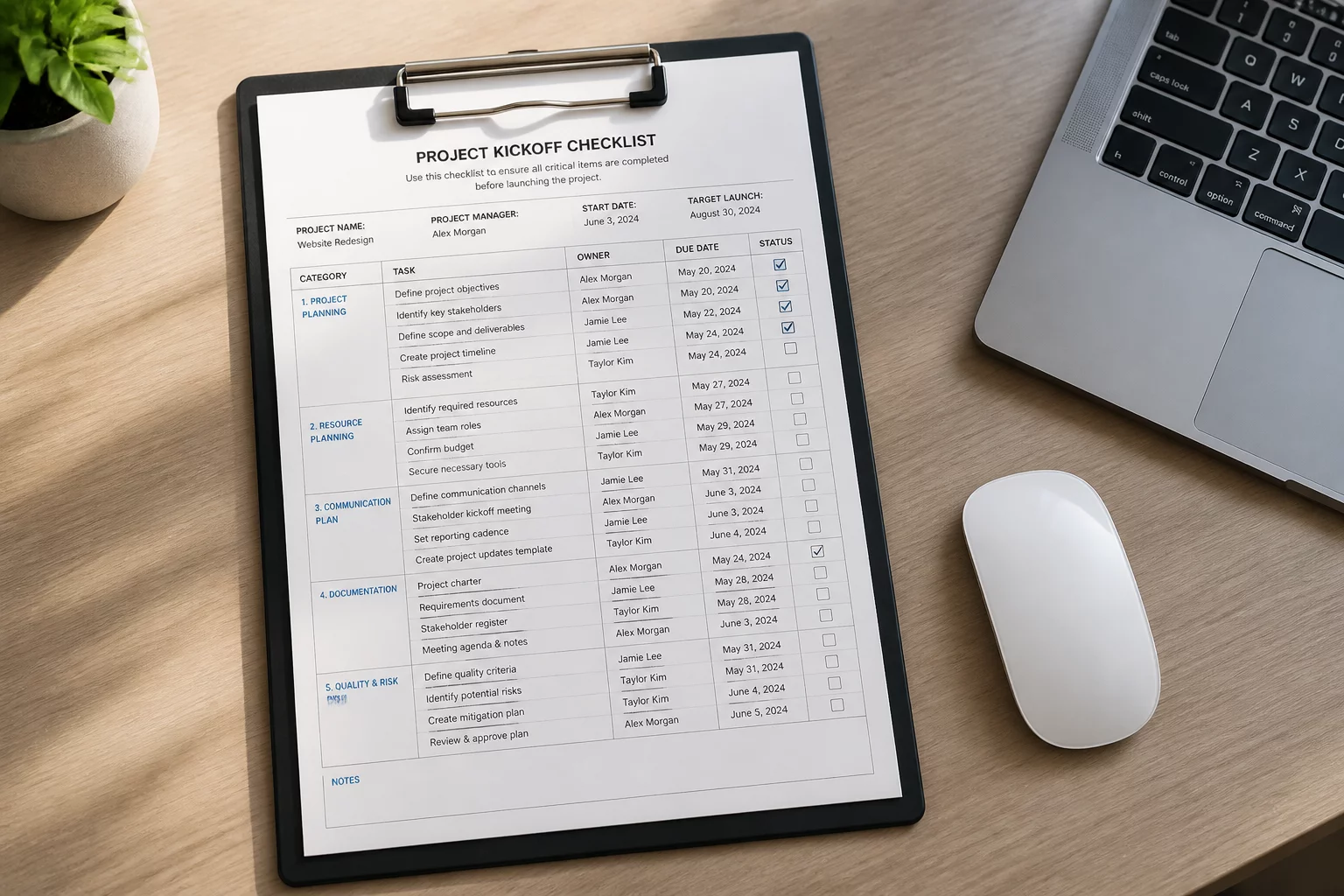
Standard Access Window Card
SPEC-V2.4
1. Task Outlook Profile Rebuild & M365 Sync
2. Device W11-CORP-LPT-8492 (Hybrid Join)
3. Business Context Q4 Reporting Deadlock — High Priority
4. User Present? Yes — Active Attended
5. Approved Access Mode Attended Ephemeral Remote Control
6. Authorized Role Tier-2 Workplace Operations Engineer
7. Allowed Activity Exchange cache purge, credential reload
8. Expected Duration 25 Minutes (Hard Timeout: 40m)
9. End Condition Mail delivery verified or timeout reached
10. Handback Owner Emily White (Local User Consent Signoff)

Architecture Principles

Select any parameter boundary below to review operational safeguards and compliance checkpoints.

Attended Support
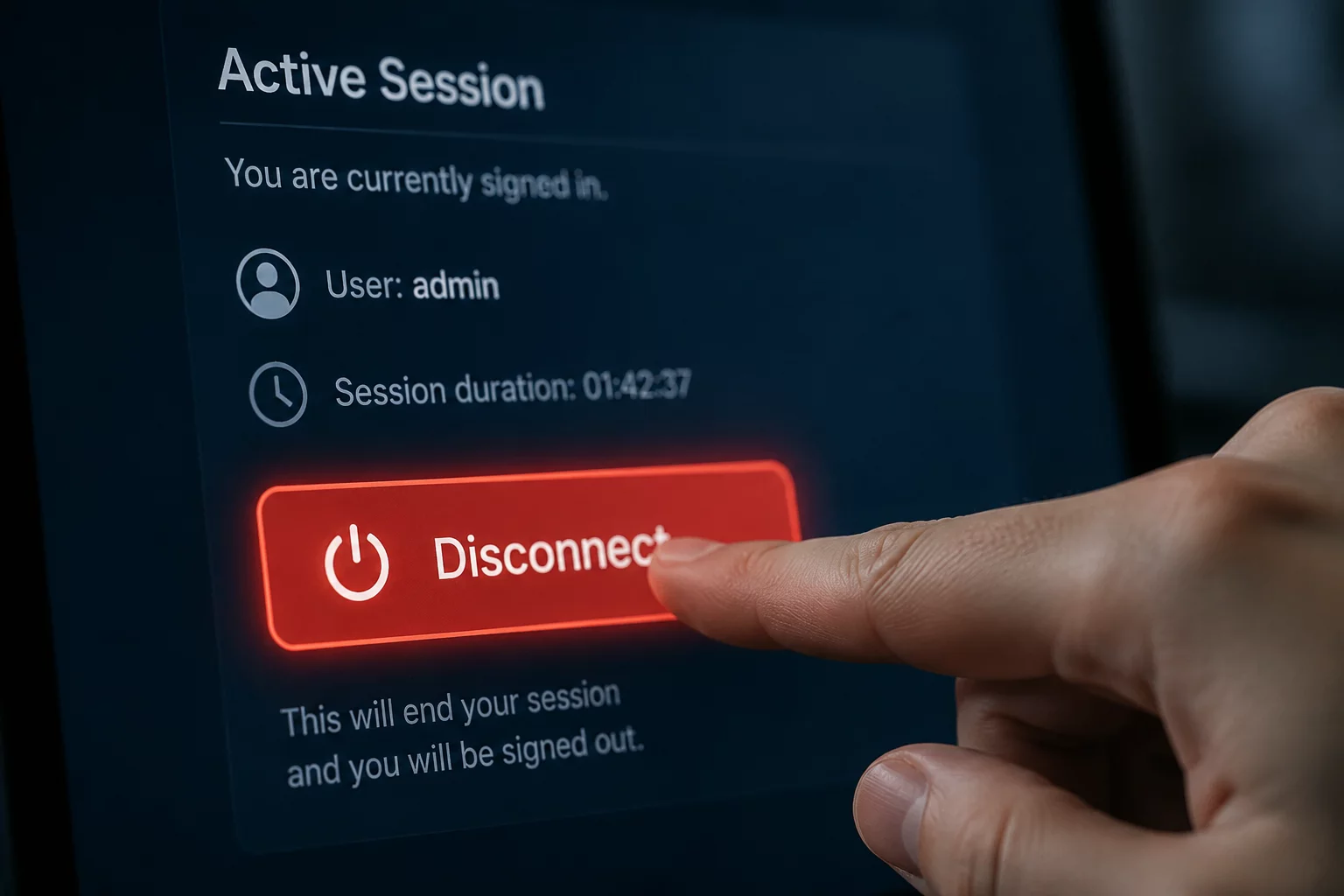
Explicit live user presence and continuous mutual screen visibility. The user can terminate the connection instantly without privilege persistence.

Contextual Architecture Case

Real-world execution model applying the 10-point Access Window Card.

View All Scenarios
Employee Laptop Scenario
Workplace IT 2026-08-20

Employee Laptop Scenario

Full contextual scenario for supporting an employee laptop. No comments allowed.

Author: Emily White Read Case
Specification Breakdown Zero Standing Privileges

Why Static Remote Permissions Break Governance

When organizations grant perpetual unattended agents across fleet devices, the boundary between ad-hoc troubleshooting and unauthorized configuration changes collapses. The Access Window Card acts as an operational contract where each attribute must be satisfied prior to initiation.

Ephemeral Token Lifecycle
Keys expire automatically after verification.
Explicit Handback Gate
User verifies standard operation before closure.
— ARTICLES & GUIDES —

Explore All Publications

Structured insights, operational boundaries, and best practices for determining appropriate access modes across enterprise endpoints.

ENGINEERING TOOLKIT

Infrastructure Stacks & Operational Instruments

Selecting the correct technical platform is essential for strictly enforcing time limits, least-privilege boundaries, and comprehensive audit trails across attended and unattended infrastructure maintenance.

Session Control

Zero-Trust Bastion Gateways

Isolates administrative sessions by routing all engineer terminal commands through reverse-proxy gateways that enforce mandatory session lifespans and ephemeral credentials.

  • Dynamic port forwarding controls
  • Automatic disconnection on idle
  • Zero permanent VPN tunnel dependency
Access Mode: Unattended / Attended
Identity & PAM

Privileged Access Brokers

Eliminates static root or domain administrator credentials by generating time-bounded cryptographic certificates tied to approved maintenance tickets.

  • Just-in-time privilege elevation
  • Rotated credentials after every execution
  • Ticket ID cross-validation
Access Mode: All Scenarios
Session Control

Attended Remote Daemons

Designed for end-user workstations requiring real-time human authorization, explicit visual indicators, and instantaneous termination by the workstation owner.

  • One-click user session revocation
  • Visible status banner on desktop
  • No resident background listener
Access Mode: Attended Support
Audit & Telemetry

Session Recorders & Keystroke Logs

Cryptographically signed visual session video and standard I/O streams enabling post-maintenance validation and rapid compliance verification.

  • Tamper-evident log append mechanism
  • Automated PII masking filter
  • SIEM event forwarder integration
Access Mode: All Scenarios
Edge & Kiosks

Out-of-Band Hardware Consoles

Direct hardware-level control platforms (IPMI/BMC) isolated inside dedicated management subnets for firmware updates and OS crash recovery.

  • Virtual media mounting capabilities
  • Dedicated management VLAN binding
  • Hardware health telemetry ingestion
Access Mode: Unattended Maintenance
— Operational Overhead Evaluator —

Measure Your Maintenance Friction & Losses

Configure your team’s regular support cadence to calculate cumulative hours delayed, wasted authentication cycles, and lost technician capacity caused by mismatched access protocols.

Session Parameters

90
10 sessions500 sessions
18 min
2 min60 min
6 / wk
0 incidents30 incidents
5 steps
1 step12 steps

Estimated Operational Scale

27.0
Hours Lost / Month
Technician time consumed waiting for user confirmations and device handoffs.
324
Annual Idle Hours
Equivalent to over 40 full working days spent purely on operational stalls.
5,400
Redundant Auth Steps / Yr
Context-switching friction and repetitive permission requests per year.
156
Hours Lost to Session Resets
Annual wasted engineering effort due to unattended timeouts and abrupt user exits.
Friction Impact SeverityElevated Overhead

Review documented access protocols to separate attended user help from unattended maintenance.

Explore Access Modes
David Ross, Founder of AccessWindow Fieldbook
Established Practice 2026
— FOUNDER'S NOTE —

Why We Built AccessWindow Fieldbook

Over two decades of managing enterprise infrastructure and remote support operations revealed a persistent flaw: teams frequently mix up interactive user troubleshooting with scheduled unattended system maintenance.

AccessWindow Fieldbook was established as an independent knowledge hub to eliminate this ambiguity. We believe that clear boundaries, task-scoped access windows, and explicit user consent are not merely security compliance checkboxes, but foundational principles for reliable digital systems.

David Ross
Founder & Principal Infrastructure Architect
— OPERATIONAL PROTOCOLS —

Access Protocol Answers

Clear governance requirements for defining boundaries, approvals, and post-session accountability across IT environments.

Standard Inquiries

Understand the lifecycle of access windows before granting elevated permissions to infrastructure.

Verified Field Guidelines
Featured Case

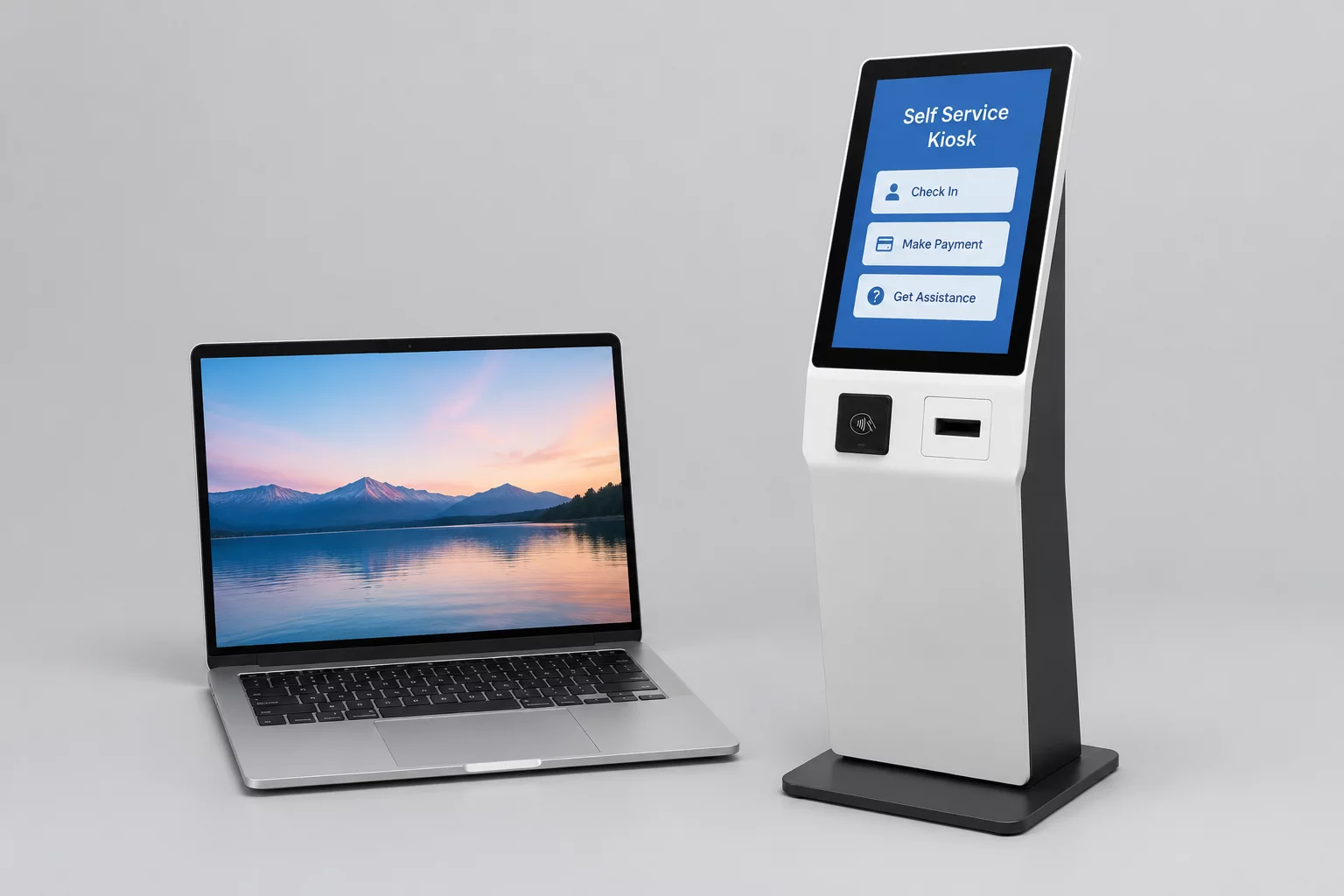
The Same IT Team Supports a Laptop, a Kiosk, and a Server

Device A — Employee Laptop

A user reports a problem and is present in front of the device.

Questions:
  • Does the user need to demonstrate the issue?
  • Will the supporter need user input?
  • Is attended support appropriate?
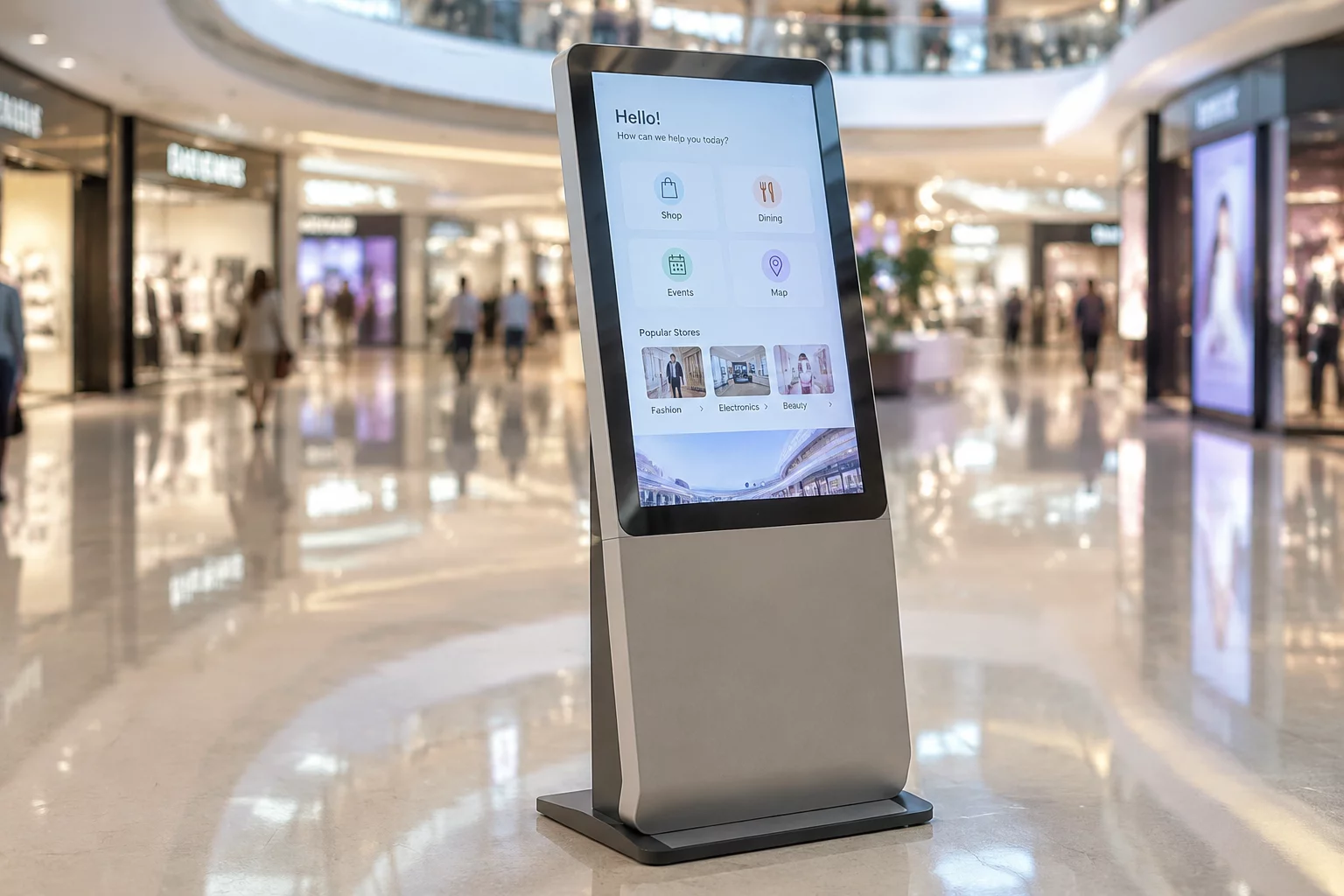
Device B — Retail Kiosk

The device operates without a regular user.

Questions:
  • Who owns the maintenance authorization?
  • When may work occur?
  • What is the handoff condition?
Device C — Internal Server

No regular end user.

Questions:
  • Which operational team approves access?
  • What maintenance task is planned?
  • What determines completion?
  • Who receives responsibility afterward?
Result
No: One remote-access configuration for every device.
A: Different operating contexts require different access decisions.